


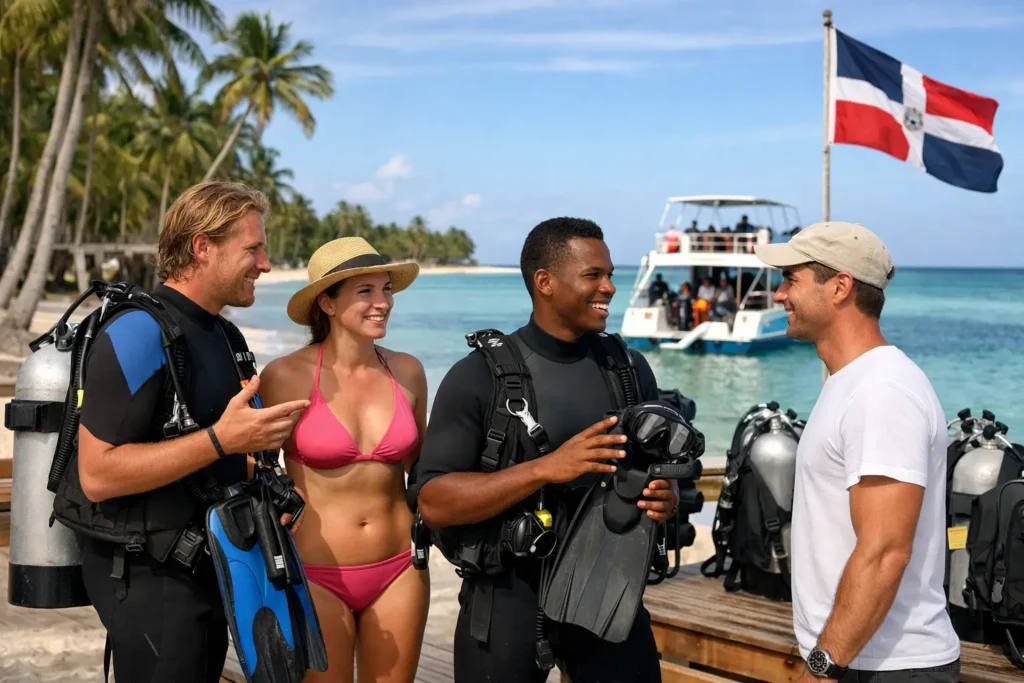
The phrase “multilingual dive center dominican republic” may sound like a simple search term, but it points to something that can shape your entire day on the water: being understood. When you are learning to breathe underwater for the first time, planning a private Saona escape, or deciding whether conditions suit your experience level, clear communication turns a good outing into one you can fully relax and enjoy.
In Bayahibe, that matters from the first briefing to the last stop back at the dock. The Caribbean can look effortless from shore – warm water, bright reefs, soft white beaches – but a well-run experience is built on details. Your crew should be able to explain those details in a language you understand, answer questions without rushing, and tailor the day to the people actually on the boat.
What a Multilingual Dive Center Changes
Multilingual service is not just about translating a few safety words. It means receiving information clearly before you commit to an activity, during equipment setup, and underwater, where hand signals and calm preparation matter most. For first-time divers, that clarity can be the difference between feeling nervous and feeling ready for the moment you take that first breath below the surface.
For certified divers, the benefit is just as real. You want to discuss your recent diving, buoyancy comfort, air consumption, preferred depth, and what you hope to see. A crew that understands the conversation can recommend the right reef or wreck plan instead of giving every diver the same generic schedule.
A multilingual dive center in the Dominican Republic should also make the practical side easy. You should know where to meet, what is included, whether the trip is private or shared, how long you will be on the water, and what conditions may change the route. There is no prize for guessing. The best crews give straightforward answers and make space for your questions.
Language matters most when plans change
Sea conditions, weather, and marine life do not follow a script. A responsible captain may change a dive site because the current has picked up, shift a beach stop to avoid crowds, or recommend a shallower plan for a new diver. Those decisions should be explained with confidence and care, not delivered as a vague instruction you are expected to accept.
That is especially valuable for families and private groups. Parents want to understand what their children will do, couples may want a quieter pace, and corporate groups often need a clear plan that keeps everyone comfortable. The right operator adapts without making anyone feel like an inconvenience.
Choose the Right Experience, Not Just the Right Boat
The Dominican Republic offers very different water days, and the best choice depends on your group. A Try Scuba experience is designed for people who have never been certified but want to experience the underwater world with close professional guidance. An SSI Open Water course is better for travelers ready to build real skills and leave with a certification that opens future dive trips.
If you are already certified, ask about the sites rather than booking based on a photo alone. Reef dives can bring colorful coral formations, schools of tropical fish, and relaxed conditions that suit a wide range of experience levels. Wreck dives add a different kind of atmosphere, but depth, current, and certification requirements may affect whether they are the right fit. Spearfishing and more adventurous routes require an even more specific conversation about training, conditions, and local rules.
Then there are the days when scuba is not the goal at all. A private boat excursion to Saona Island, Catalina Island, or the Chavon River can be the perfect choice for guests who want the water without a dive itinerary. Early departures are often worth it. Reaching a legendary beach before the larger catamarans arrive changes the entire feeling of the day – more space, more quiet, and more freedom to stay where the moment is best.
A good crew will not push one option on every guest. If someone in your party is not comfortable diving, a private boat day can keep the group together. If your goal is serious underwater time, a dedicated dive schedule may be the smarter investment. It depends on what you want to remember when you look back at the trip.
Why Bayahibe Is a Strong Starting Point
Bayahibe is more than a convenient resort-area departure point. Its position near Parque Nacional del Este and the Saona coastline gives experienced local captains access to exceptional Caribbean routes without turning the journey into an all-day transfer. That means more time in the water or on the beach and less time watching the horizon from a crowded boat.
Local knowledge is also practical knowledge. Captains who work these waters regularly understand which route is likely to be smoother, which stop works best at a particular time of day, and when a site deserves to be skipped. Nearly 20 years of operating in one area teaches a crew things that a map cannot.
At Diving DR, that local familiarity is part of the experience. The Sharky, Wakanda, and Eleven are not simply ways to get from one point to another. They are platforms for small-group and private days shaped around your pace, with captains who know the waters and a team that takes safety as personally as hospitality.
Questions Worth Asking Before You Book
A polished website or a low headline price cannot tell you everything. Before choosing a multilingual dive center in the Dominican Republic, ask a few direct questions. The answers will tell you whether the operator is prepared to look after your group or simply fill seats.
- Which languages can the crew comfortably use for briefings, instruction, and questions?
- Is the experience private, semi-private, or shared, and how many guests are typically on board?
- What training, certification, or recent diving experience is required for the activity you want?
- What happens if weather or sea conditions require a different route or dive site?
- Is equipment included, and how is sizing handled for children, first-time divers, or guests who need extra support?
Listen for specifics. “We will see” is not always a bad answer when the weather is genuinely uncertain, but it should come with a clear alternative. A professional team can explain the backup plan, whether that means another dive site, a different departure time, or a route that better protects comfort and safety.
You should also pay attention to pace. A large group can be fun, but it naturally runs on a fixed schedule. Private and small-group service costs more because it gives you more control: extra time for photos, a slower introduction to snorkeling, a beach stop that lasts as long as it should, or the freedom to focus a dive day on the people who came to dive.
Make Your Caribbean Day Feel Like Your Own
Bring your questions, be honest about your comfort level, and tell the crew what a great day looks like to you. Maybe that means a first underwater breath with an instructor close by. Maybe it means a quiet reef dive, a serious spearfishing outing, or stepping onto Saona’s sand before the crowds turn up.
The Caribbean is at its best when you are not trying to keep up with someone else’s timetable. Choose a crew that can speak your language, read the conditions, and give your group room to enjoy the water your way.
