


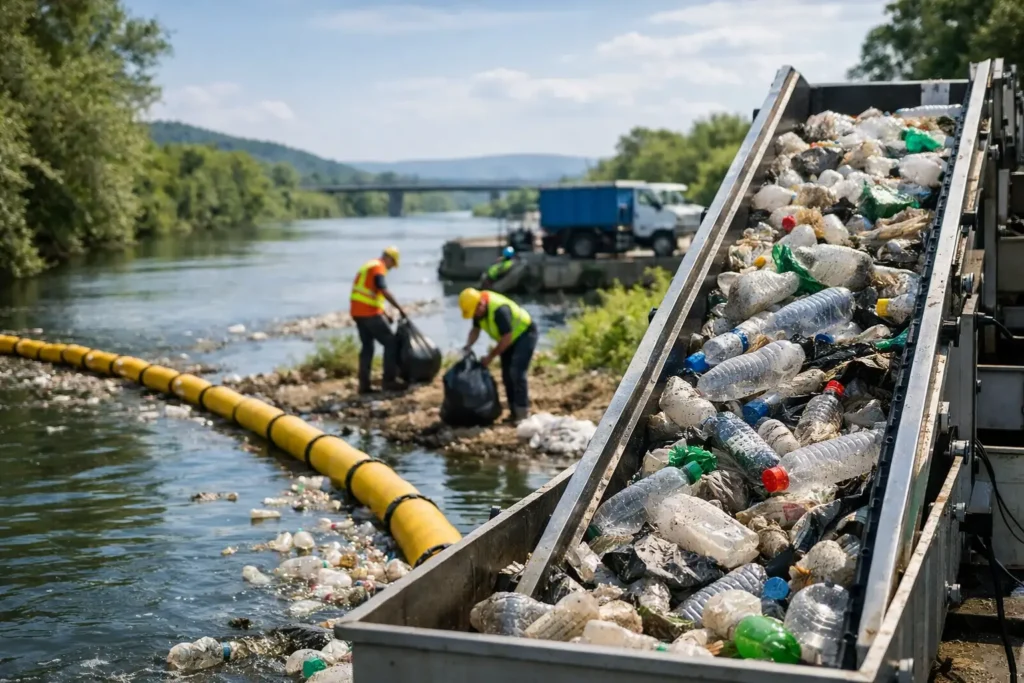
A plastic cup caught in a sea fan is not just an ugly photo. It can shade living coral, break delicate branches as it moves in the current, and become another hazard for fish, turtles, and seabirds. For those of us who spend our days on Caribbean water, ocean cleanup is not a distant environmental campaign. It is part of the job – and part of the promise we make to every guest who comes to experience these reefs, beaches, and blue-water horizons.
The most meaningful work often happens before anyone pulls a bag of trash from the water. It happens when boats are operated carefully, when single-use waste is reduced, when anchors stay off the reef, and when visitors understand that paradise is not a backdrop. It is a living place under pressure.
Ocean cleanup is more than collecting trash
Beach cleanups and underwater cleanups matter. They remove plastic, fishing line, cans, glass, and other debris before it can keep breaking down into smaller pieces or harm wildlife. A cleanup also makes a powerful point: what is left behind on land rarely stays there. Wind, rain, drains, rivers, and tides eventually carry much of it toward the coast.
But cleanup is the response, not the full solution. By the time a plastic bottle has reached a reef, it may have traveled a long way. By the time a fragment is too small to collect, it may already be in the food chain. That is why the best ocean cleanup strategy combines direct removal with prevention, education, and responsible marine operations.
For travelers, this is good news. You do not need to be a marine scientist or spend a vacation day hauling industrial quantities of waste to make a difference. The choices made on a boat, on a beach, and at a hotel can reduce the amount of waste that reaches the sea in the first place.
Why ocean cleanup matters so much in the Caribbean
The Caribbean looks limitless from the deck of a boat. In reality, its ecosystems are interconnected and remarkably sensitive. Coral reefs support juvenile fish, shelter countless marine species, reduce wave energy along coastlines, and help make snorkeling and diving here extraordinary. Seagrass beds are nurseries for fish and feeding grounds for turtles. Mangroves hold shorelines together and filter runoff before it reaches the reef.
Trash does not respect the boundaries between those habitats. A loose wrapper can drift into mangroves. Fishing line can entangle coral or marine life. Plastic bags can be mistaken for food. Even small debris can cause damage when it snags on a reef during rough conditions.
There is another local reality: ocean currents can carry debris across borders. A clean beach one morning may receive waste from far beyond its shoreline the next day. That is not an excuse to give up. It is a reason to treat every responsible decision as part of a larger effort.
For a destination built around clear water, healthy reefs, and unforgettable island days, conservation is also about protecting the experience guests travel so far to find. Nobody dreams of a private day on Saona Island or a first breath underwater beside discarded plastic. Keeping these places beautiful requires attention from boat crews, businesses, residents, and visitors alike.
The work that happens on the water
Responsible boating has a bigger effect than many guests realize. A crew’s everyday habits determine whether a trip adds pressure to a marine environment or helps protect it. Waste should be secured aboard, never allowed to blow overboard, and brought back to shore for proper disposal. Reusable drink containers and carefully planned provisions can sharply reduce the throwaway items that pile up during a day at sea.
Reef protection matters just as much. Anchors can cause immediate, visible damage when dropped on coral, so experienced captains use appropriate mooring systems where available and choose safe sandy areas when anchoring is necessary. Boat routes, speed, and stopping points also matter around shallow water, seagrass, swimmers, and wildlife.
Underwater, the smallest habits count. Divers should maintain good buoyancy, keep fins away from coral, secure alternate air sources and gauges, and resist the urge to touch marine life. A seemingly harmless hand on a coral head can break tissue that took years to grow. Collecting shells, coral pieces, or souvenirs from protected natural areas may feel minor, but repeated thousands of times, it changes the ecosystem visitors came to enjoy.
At Sharky’s Crew, the goal is not simply to bring guests to beautiful places. It is to host them with the care those places deserve. That means small and private groups can be an advantage: more room for a clear briefing, more flexibility to avoid crowded or stressed areas, and more personal guidance for first-time snorkelers and divers.
What you can do on your next boat day
The simplest habits are often the most useful. Bring a reusable water bottle when practical, and choose reef-conscious sun protection along with protective clothing such as a rash guard. No sunscreen is a free pass to ignore other impacts, but reducing unnecessary chemicals and avoiding overapplication near the water is a sensible step.
Keep every item secure on board. Hats, snack wrappers, cigarette butts, tissues, plastic caps, and lightweight bags are easy to lose in a breeze. If you see floating debris and it is safe to retrieve without putting yourself or others at risk, tell the crew. Never reach into the water near a moving propeller, in strong current, or where you cannot judge what is below the surface.
On the beach, leave with more than photographs. Check the area around your towel before departing, especially if children have been playing with snacks or beach toys. If you find a few pieces of litter, pick them up. It is a small action, but it prevents them from becoming someone else’s underwater problem.
When snorkeling or diving, look closely without chasing, feeding, grabbing, or standing on anything alive. Turtles, rays, reef fish, and starfish are far more likely to behave naturally when given space. The best encounter is not the closest one. It is the one that leaves the animal undisturbed and gives you a memory worth protecting.
Cleanup has limits, and prevention has to lead
It is tempting to view a successful cleanup as a finish line: a beach looks clear, a net is full, and the work is done. The harder truth is that cleanups can only remove what people can see and safely reach. Microplastics, polluted runoff, damaged habitats, and persistent waste require solutions that begin much earlier – in product choices, disposal systems, fishing practices, tourism operations, and public policy.
That does not make a cleanup less valuable. It makes it more honest. Removing debris protects animals right now and gives communities a chance to see what is entering their waters. Recording the kinds of waste found can reveal patterns too. If the same bottles, food packaging, or fishing materials appear repeatedly, prevention efforts can become more targeted.
There are trade-offs in every marine activity. A boat trip has a footprint. Scuba diving requires equipment, transport, and fuel. Even a well-run excursion brings people into a fragile environment. The answer is not to pretend those impacts do not exist. It is to reduce them thoughtfully, operate professionally, support conservation-minded choices, and make sure the experience creates respect rather than carelessness.
A healthy ocean is not maintained by one dramatic gesture. It is protected through thousands of decisions made before departure, during the day on the water, and after everyone has gone home. Leave the reef unbroken, the beach cleaner than you found it, and the water as alive as the moment you first saw it.
