


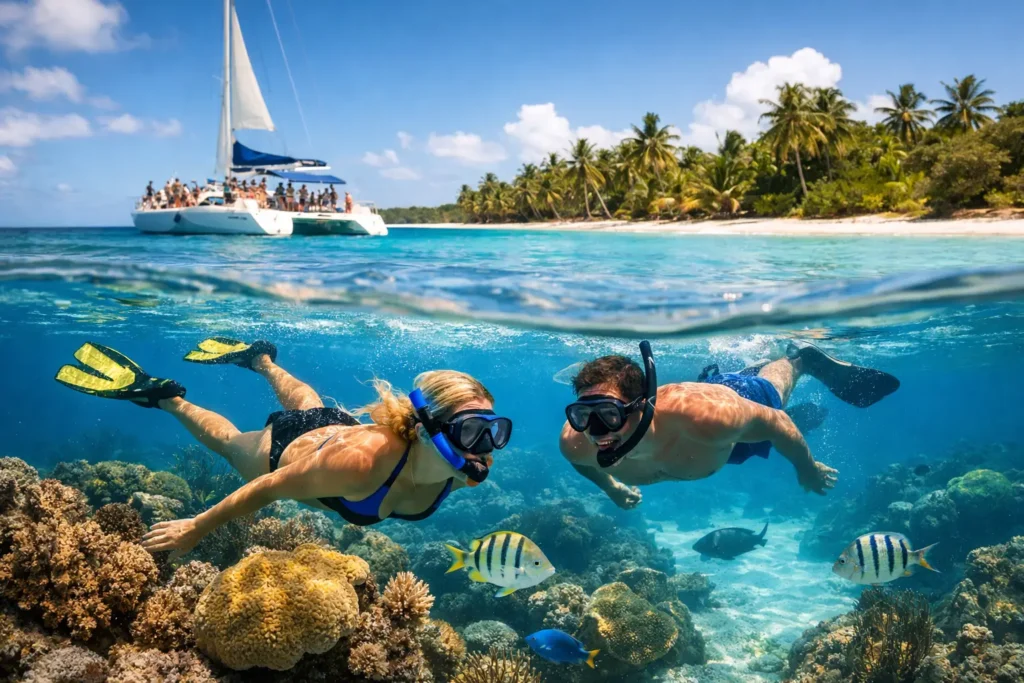
The water can look perfect from the beach and still deliver a disappointing snorkel day. That is the truth behind any Dominican Republic snorkeling tour review: the difference is rarely just the island or the price. It is the route, the timing, the crew’s local judgment, the condition of the equipment, and whether the trip gives you time to actually enjoy the reef instead of rushing from one photo stop to the next.
For travelers choosing between a large excursion and a private or small-group boat, the best question is not, “Which tour goes to Saona or Catalina?” Most do. Ask what happens between departure and arrival, who is in the water with you, and whether the day can adapt to your group. Those details turn a nice Caribbean outing into the part of the vacation people keep talking about.
Dominican Republic Snorkeling Tour Review: What to Look For
A useful review should tell you more than whether the beach was beautiful. White sand and turquoise water are easy promises in this part of the Caribbean. The real signals of a good snorkeling operator are found in the practical details.
Start with the boat. A clean, well-kept vessel with proper shade, a stable way to enter and exit the water, life jackets in good condition, and a crew that does not make safety feel like an afterthought matters more than flashy marketing. The best boat for your day depends on the group, too. A couple looking for a quiet escape may value space and flexible stops, while a family may prefer an easy ladder, a patient crew, and plenty of shade for children between swims.
Then look at group size. A large catamaran can be fun if you want music, a social atmosphere, and an all-day party. It is not always the strongest choice for snorkeling. More people in the water can mean less room around the reef, shorter swim windows, and a schedule built around the entire boat rather than your comfort level. Smaller groups can often move earlier, choose a calmer side of an island, and spend longer where visibility is best that day.
The strongest reviews also mention the crew by how they behaved, not just how friendly they were. Were beginners shown how to clear a mask and breathe comfortably through a snorkel? Did someone point out marine life without chasing it or touching coral? Did the captain adjust the plan when wind, current, or crowd levels changed? Friendly service is welcome. Calm, experienced decision-making is what keeps the experience enjoyable.
What the Snorkeling Is Really Like
Bayahibe is a standout departure point because it sits close to Parque Nacional del Este and the Saona coastline. That proximity can mean less transit time and more time in the water, especially on an early departure. In Caribbean travel, early is not a minor detail. It can be the difference between having a calm shallow reef almost to yourselves and arriving after multiple excursion boats have filled the same stop.
Expect warm water for most of the year, with conditions that are generally comfortable for first-time snorkelers. Visibility can be excellent, but no honest operator should guarantee a perfect number every day. Wind, recent rain, sea movement, and the specific reef all affect clarity. A crew that knows the local waters well will choose the most protected, rewarding location available rather than forcing the original plan when conditions say otherwise.
What you see also depends on where you stop and how you snorkel. Shallow coral gardens can offer bright reef fish, sea fans, rays, and schools moving over sand patches. Some areas are better for relaxed floating and broad Caribbean scenery; others are more interesting for confident swimmers who want to follow a guide along reef structure. A good tour makes that distinction clear instead of suggesting every stop suits every guest in exactly the same way.
Snorkeling is not scuba diving, and it should not be sold as a substitute for it. From the surface, you can enjoy color, movement, and the easy thrill of seeing a living reef in clear water. If you want to spend more time observing deeper ledges, wrecks, and fish behavior, a Try Scuba experience or guided dive may be the better fit. But for families, mixed-experience groups, and travelers who want a low-pressure day on the water, snorkeling delivers plenty of magic without needing a certification card.
Saona, Catalina, or a Private Coastal Route?
Saona Island earns its reputation. The beaches are spectacular, the water is famously clear, and the journey itself feels like a real Caribbean escape. The trade-off is popularity. On a standard group tour, the island can become busy by late morning, particularly at the most common beach areas. A private boat changes the rhythm: leave early, snorkel before the busiest arrivals, choose a quieter beach stretch, and linger when the moment deserves it.
Catalina Island is often the better choice when snorkeling is the priority. Its reefs can be close to shore, making it easier to combine beach time with multiple easy entries. It can also work beautifully for groups where some guests want to snorkel while others prefer to relax in the shade with a cold drink and a wide view of the water.
A coastal trip or route that includes the Chavon River offers a different kind of day. It is less about checking off a famous island and more about variety: Caribbean blue water, a scenic river setting, and stops tailored to the energy of your group. For repeat visitors, couples celebrating something special, or corporate groups that want a more personal experience, that flexibility can be far more memorable than following the busiest route.
Questions Worth Asking Before You Book
Before reserving, ask whether snorkeling equipment is included and how it is sized and maintained. Ask how many guests are expected on board, whether there is a guide in the water, and how much snorkeling time is actually planned. “Snorkeling included” can mean anything from a quick 20-minute stop to a thoughtfully paced morning at several reef locations.
It is also smart to ask about the departure time. An early start can feel ambitious on vacation, but it is usually a smart trade for calmer water, cooler temperatures, and fewer boats at the first stop. If you are traveling with young children or anyone prone to seasickness, tell the operator in advance. A professional crew can recommend the most suitable route, boat, and conditions rather than treating every guest like an experienced open-water swimmer.
Finally, be clear about what kind of atmosphere you want. There is no wrong answer. Some travelers want music, unlimited rum, and a crowded deck. Others want coffee at sunrise, a captain who knows the quiet channels, and enough room to hear the waves. Those are completely different products, even when both use the word “excursion.”
The Private-Boat Difference
A private snorkeling day is not only for luxury travelers. It can make practical sense for families, groups of friends, and corporate teams who would otherwise purchase several spots on a shared boat. More importantly, it lets the day work around your people. A nervous first-time snorkeler can take their time. Strong swimmers can explore with a guide. Lunch can happen when everyone is ready, not when a fixed schedule says it should.
At Sharky’s Crew, the advantage comes from nearly 20 years of operating from Bayahibe and knowing when a popular stop will be at its best, not merely how to reach it. The family-run approach is simple: experienced captains, small or private groups, multilingual support, and a day shaped around the guests on board. That means the crew can focus on the details that matter, from a comfortable first mask fit to choosing a reef where the water is inviting that morning.
The best Dominican Republic snorkeling tour review is ultimately the one that describes a day that felt easy. You should come back salty-haired, sun-warmed, and pleasantly tired, with the sense that the crew was one step ahead the whole time. Choose the boat and itinerary that leave room for that feeling, then let the Caribbean do the rest.
